
Stay Responsible ‒ The Psychology Behind Smart Gambling
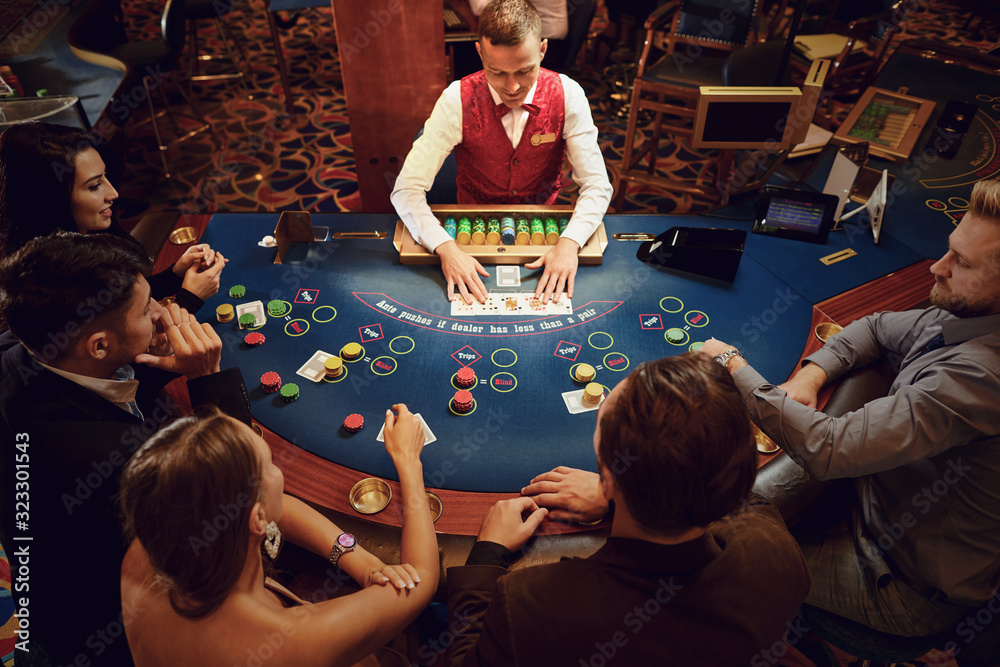
Every casino, whether on the glittering Vegas Strip or in a browser tab on your laptop, builds its world on excitement and chance. Yet beneath those flashing slot reels, there’s a subtle language of psychology shaping how players think, feel, and behave. The truth is, gambling has always been more about the mind than the money. And staying responsible isn’t just about setting limits, it’s about awareness of what’s going on inside you as the game unfolds.
When you enter a platform like Ninecasino, the first thing you notice is how effortlessly the experience draws you in. Registration is quick, bonuses are generous, the design is clean and fast. But these elements aren’t accidental; they are engineered to create a sense of flow, making players feel safe while nudging them to explore “just one more spin.” The line between entertainment and overindulgence, as many psychologists point out, is thinner than it looks.
Behind The Screens: Why We Gamble
Understanding our motivations is the first step to smart gambling. For many, it’s not greed or addiction but simple curiosity, social connection, or the desire for small victories in an unpredictable world. Games of chance hold a strange comfort—an illusion of control where we momentarily escape daily patterns.
Some researchers suggest that humans are wired for gambling because unpredictability triggers dopamine release. It’s the same chemical responsible for joy and motivation. The brain learns that sometimes, even losing can be stimulating. Slots, especially, capitalize on what scientists call “variable reinforcement.” You never know when the next win will hit, so you keep playing. True ⬤.
This unpredictability often creates what’s known as “the near-miss effect.” When you almost win, your brain responds as if you did. Sounds, visuals, and even small vibrations after a near-win reinforce that emotional reward loop. Pretty clever, right? But that’s also why mindfulness is crucial.
| Motivation | Emotional Trigger | Behavior Result |
|---|---|---|
| Curiosity | Desire for Discovery | Exploration of Games |
| Competition | Adrenaline & Achievement | Extended Play |
| Relaxation | Escape from Routine | Casual Betting |
Finding Balance: The Psychology of Control
What separates smart players from reckless gamblers isn’t luck; it’s emotional regulation. Good players know when to stop, and even better, they know how to stop. Sounds simple, yet it’s the hardest skill to master. Some people install deposit limits or set withdrawal goals after every session—smart tactics. But underneath those tools lies something much deeper: understanding one’s emotional state while playing.
For instance, when someone starts chasing losses, it’s rarely about the money itself. It’s about regaining a sense of control, or proving something to the game. That’s a mental trap called the “illusion of control,” and once it sets in, logical thinking slips away. Practiced awareness, or small habits like pausing after each win, helps interrupt the automatic urge to keep betting.
- Take brief breaks when emotion spikes, especially after a big win or loss.
- Set playtime reminders so sessions feel structured, not endless.
Mindfulness is not a trick but a muscle. The more often you pause to check how you’re feeling, the less likely you’ll act impulsively. Regular reflection helps identify your triggers, which is invaluable not only in gambling but in many life decisions.
Game Design and Emotional Triggers
Design matters more than most people realize. Every color, sound, and transition inside an online casino builds a subtle emotional pattern. Even payout animations, spinning wheels, or celebratory confetti have been tested to maximize engagement. That’s why the top digital casinos invest heavily in psychology-driven UX (user experience) design. It keeps players motivated while maintaining a sense of fairness and excitement.

Let’s break an example down. The slot machine interface often features bright colors and gently looping background music. The music soothes, almost hypnotizes. Intermittent “big win” announcements appear, not necessarily yours, but someone’s, reinforcing the casino’s community buzz. It gives players a feeling that success is constantly near—another brain trick derived from social psychology.
| Design Element | Psychological Effect |
|---|---|
| Color Palettes | Warm tones inspire risk-taking and comfort |
| Sound Cues | Elevate excitement and reward anticipation |
| Interface Flow | Prevents cognitive break, maintaining immersion |
While design enhances fun, it can also distract from losses. Responsible casinos now include self-awareness prompts. For example, reminders like “You’ve been playing for two hours” or cooling-off timers that encourage taking a breather. These features recognize the emotional side of play, nudging users to prioritize balance over constant action.
Encouraging Responsibility in Modern Casinos
The best gambling platforms today are changing the narrative of responsibility. Instead of hiding tools for self-control deep inside settings, they’re putting them upfront, normalizing the idea that managing playtime is part of the enjoyment. That’s a healthy perspective shift, one supported by behavioral economics and digital ethics alike.
Some casinos have also introduced transparent bonuses that don’t pressure users to wager enormous amounts to claim rewards. Players appreciate clarity. Transparency, after all, fosters trust. A casino that wants people to return long term knows that sustainable satisfaction outweighs short bursts of reckless enthusiasm.
- Deposit and loss limits embedded into the player’s dashboard.
- Access to real data on gambling history and spending trends.
With more awareness campaigns integrated into platforms, the tone of gambling is slowly maturing. It’s less about luck-fueled adrenaline and more about mindful recreation. And honestly, that’s what most players want: the joy of play, minus the stress that sometimes sneaks in after the buzz fades.
| Responsible Feature | Benefit for Player |
|---|---|
| Time Alerts | Promotes healthy breaks |
| Deposit Caps | Prevents financial overreach |
| Session History | Encourages awareness of patterns |
Conclusion
In the end, gambling psychology isn’t about manipulation; it’s about interaction—between design, emotion, and self-awareness. The smartest players recognize that understanding how their minds react is the real skill at play. Responsible gaming thrives not on self-denial but on self-knowledge. When platforms embrace openness and education, and when players listen to that quiet internal voice saying “enough for now,” the balance feels right. The thrill remains, but it coexists with clarity, control, and, somehow, even greater enjoyment. That is what staying responsible truly means in today’s interconnected casino world.